
1. Cleaning Solution: The cleaning solution used in ultrasonic cleaning can vary depending on the application and the type of contaminants to be removed. Water is commonly used as a base, and specific detergents or cleaning agents are added to enhance the cleaning process. These additives can include surfactants, solvents, rust inhibitors, degreasers, or specialized chemicals tailored for particular cleaning tasks.
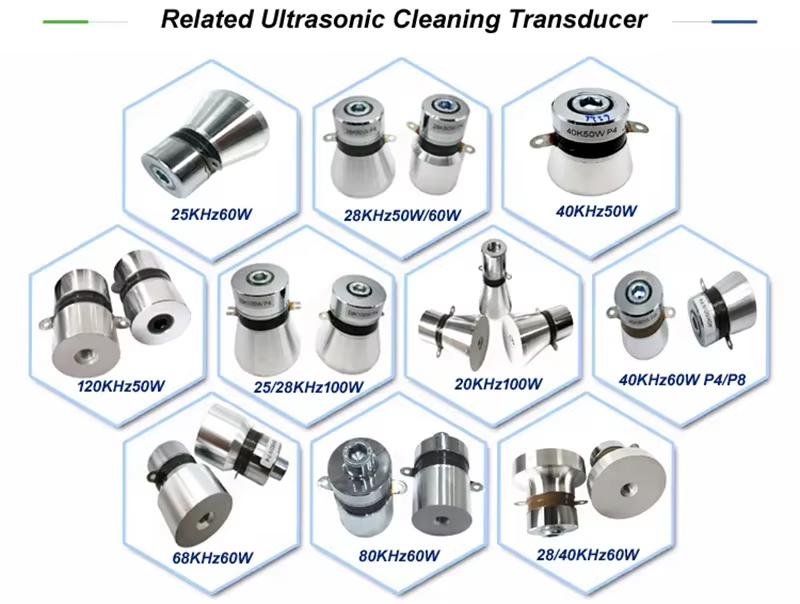
2. Frequency and Power: Ultrasonic cleaners operate at various frequencies, typically ranging from 20 kHz to 400 kHz. The frequency selection depends on factors such as the size of the contaminants, the material being cleaned, and the desired cleaning intensity. Higher frequencies are generally used for delicate items or fine cleaning, while lower frequencies are suitable for heavy-duty cleaning tasks. The power of the ultrasonic cleaner is also adjustable to control the intensity of the cleaning process.
3. Cleaning Applications: Ultrasonic cleaning is employed in a wide range of industries and applications. Some common examples include:
1). Jewelry and Watchmaking: Ultrasonic cleaners are effective at removing dirt, oils, and polishing compounds from intricate jewelry pieces, gemstones, and watches.
2). Electronics: Electronic components, circuit boards, and delicate parts can be cleaned without causing damage or disrupting the functionality of the devices.
3). Automotive: Ultrasonic cleaning is used to clean engine parts, carburetors, fuel injectors, and other automotive components.
4). Medical and Dental: Medical instruments, surgical tools, dental equipment, and prosthetics can be thoroughly cleaned using ultrasonic technology.
5). Optics: Lenses, eyeglasses, camera equipment, and other optical devices benefit from ultrasonic cleaning to remove smudges, oils, and contaminants.
4. Considerations and Limitations: While ultrasonic cleaning is highly effective, there are some considerations and limitations to keep in mind:
5. Material Compatibility: Certain materials may be sensitive to ultrasonic cleaning, such as soft plastics, porous materials, or items with loose components. It’s important to ensure that the object being cleaned is compatible with the ultrasonic process.
6. Size and Shape: The size and shape of the objects being cleaned should be taken into account when selecting an appropriate ultrasonic cleaner. Objects should fit comfortably within the cleaning tank without overcrowding, allowing the sound waves to reach all surfaces.
7. Precautions: Safety precautions should be followed, including the use of appropriate personal protective equipment (PPE) and ensuring proper ventilation when working with cleaning agents.
Overall, ultrasonic cleaning is a versatile and efficient method for removing contaminants from a wide range of objects and materials, offering improved cleaning results and productivity compared to traditional cleaning methods.